
)
January 24, 2026
How to Spot Fake Jordan 1s: Real vs Fake Guide
Air Jordan 1s are among the most counterfeited sneakers in the world. Their popularity, resale value, and cultural status make them a prime target for fakes. For buyers, especially those shopping online or on the resale market, knowing how to tell real Jordan 1s from fake ones is essential.
This guide breaks down the most reliable ways to spot fake Jordan 1s. These checks are based on real-world sneaker authentication practices and focus on details that counterfeit pairs consistently get wrong.
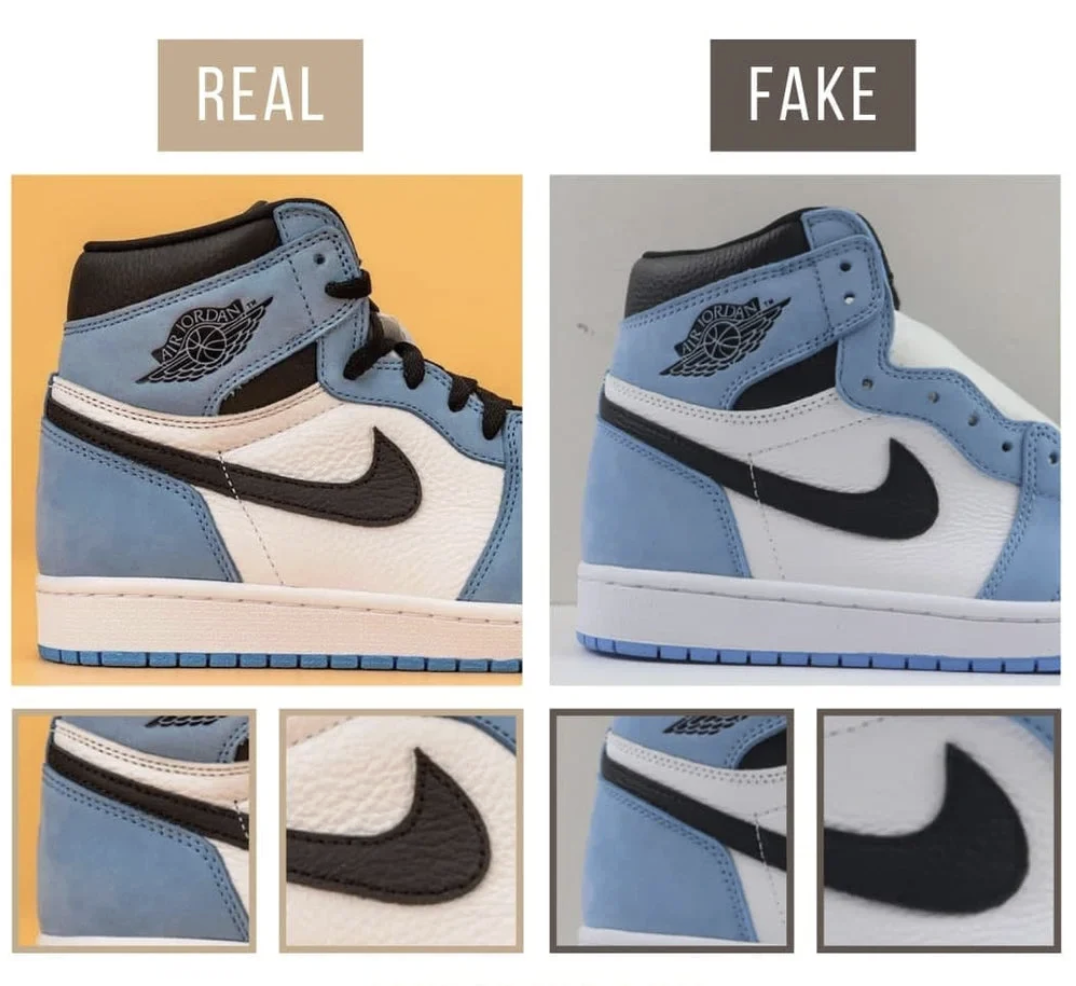
Start with the overall shape and silhouette
The first thing to look at is the general shape of the shoe. Authentic Jordan 1s have a clean, structured silhouette with sharp lines and balanced proportions.
Fake pairs often look slightly off. The toe box may be too bulky or too flat. The ankle collar can appear overly thick or poorly shaped. When placed side by side with a real pair, fakes usually lack that crisp, premium form.
Even without comparison, authentic Jordan 1s feel intentional in their design. Nothing looks sloppy or exaggerated.
Check the quality of the leather
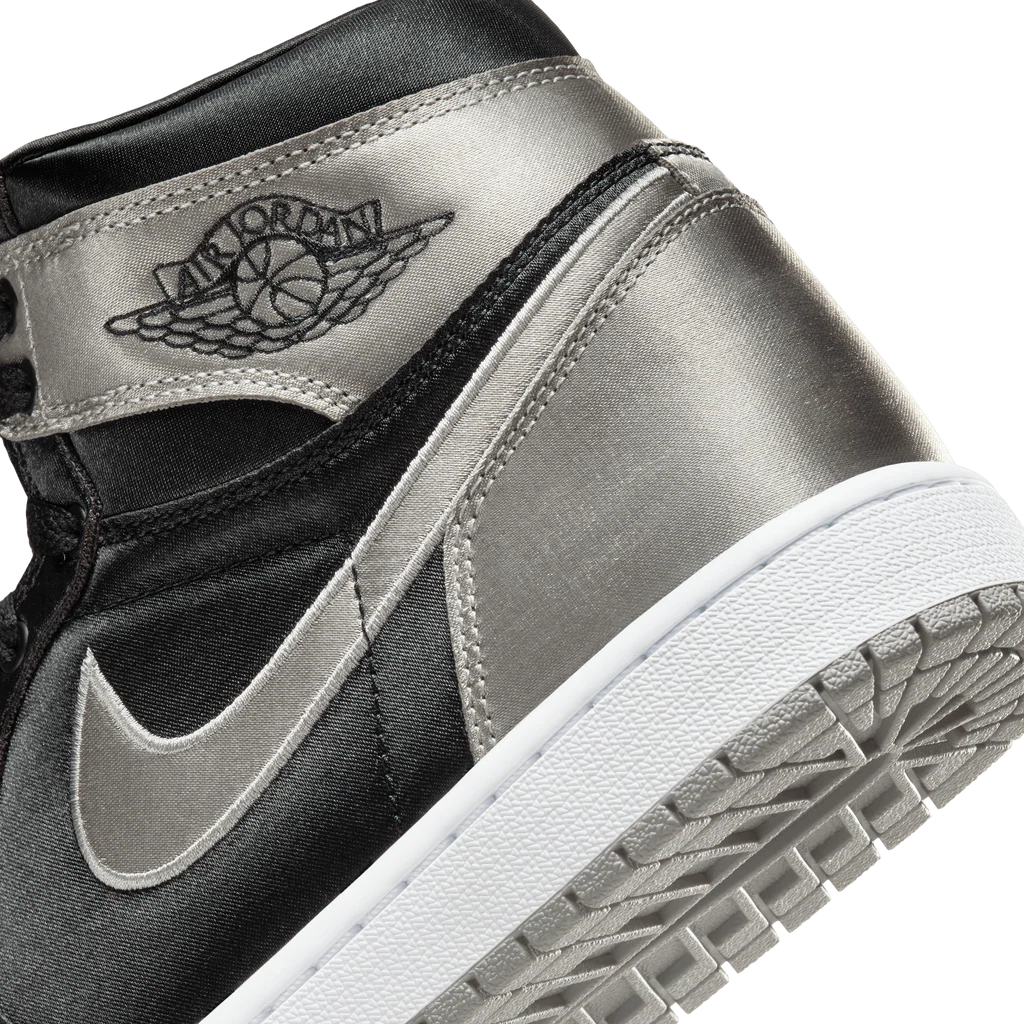
Leather quality is one of the biggest giveaways.
Real Jordan 1s use premium leather that feels soft but structured. When you press it gently, it should crease naturally and bounce back slightly. The surface texture is consistent and not overly shiny.
Fake Jordan 1s often use cheaper leather or synthetic materials. The leather may feel stiff, plastic-like, or overly smooth. In some cases, it creases too easily or does not crease at all.
Pay close attention to leather panels around the toe box and side panels. These areas expose poor material quality very quickly.
Inspect the stitching closely
Stitching on authentic Jordan 1s is precise and consistent. Stitch lines are straight, evenly spaced, and cleanly finished.
On fake pairs, stitching is often uneven, sloppy, or poorly aligned. You may notice loose threads, crooked lines, or inconsistent spacing between stitches.
Look especially at:
The Swoosh stitching
Heel stitching
Ankle collar panels
These areas are common problem spots for counterfeit pairs.
Examine the Swoosh shape and placement
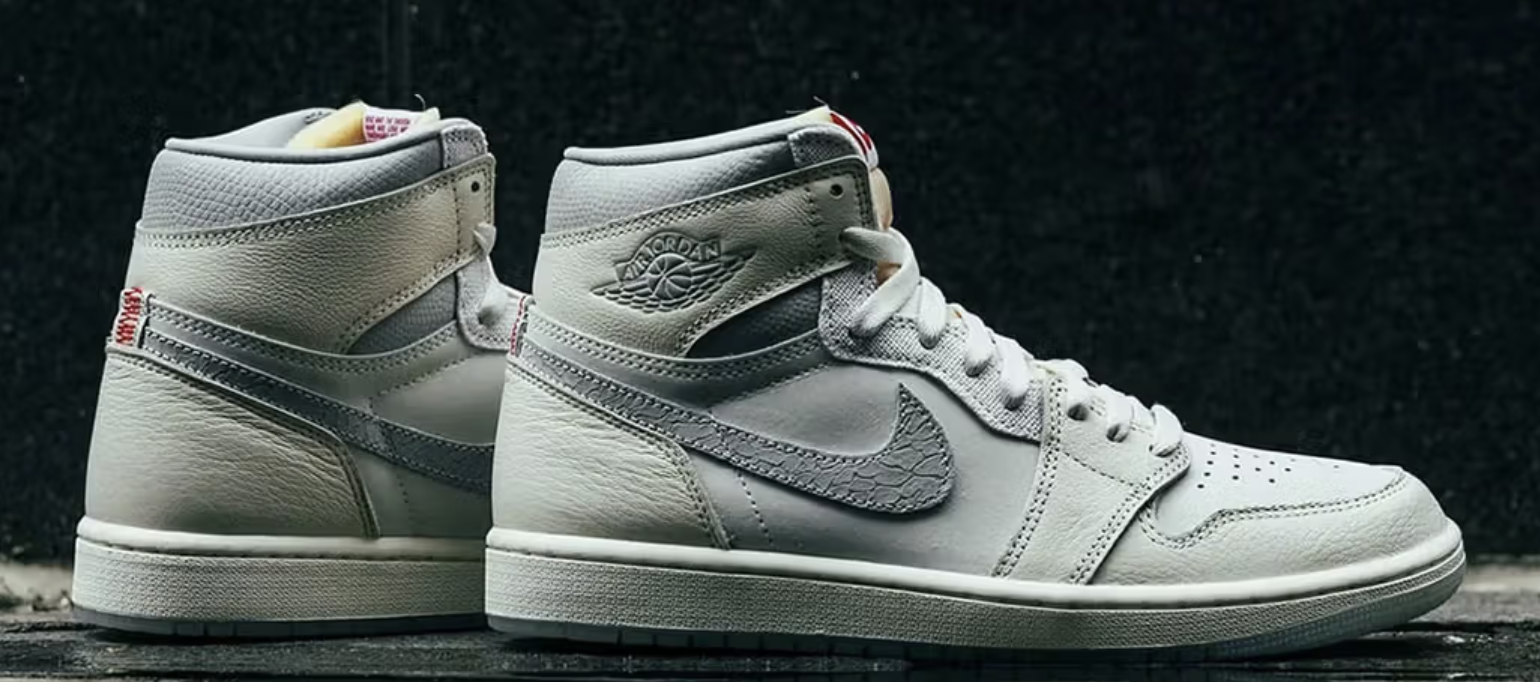
The Nike Swoosh is one of the most important details to inspect.
On real Jordan 1s, the Swoosh has a smooth curve, sharp edges, and correct placement. It should not look too thick, too thin, or awkwardly positioned.
Fake pairs often have:
A Swoosh that is too large or too small
Rounded or blunt tips
Incorrect spacing between the Swoosh and lace panels
If the Swoosh looks slightly off, it usually is.
Look at the Wings logo on the ankle
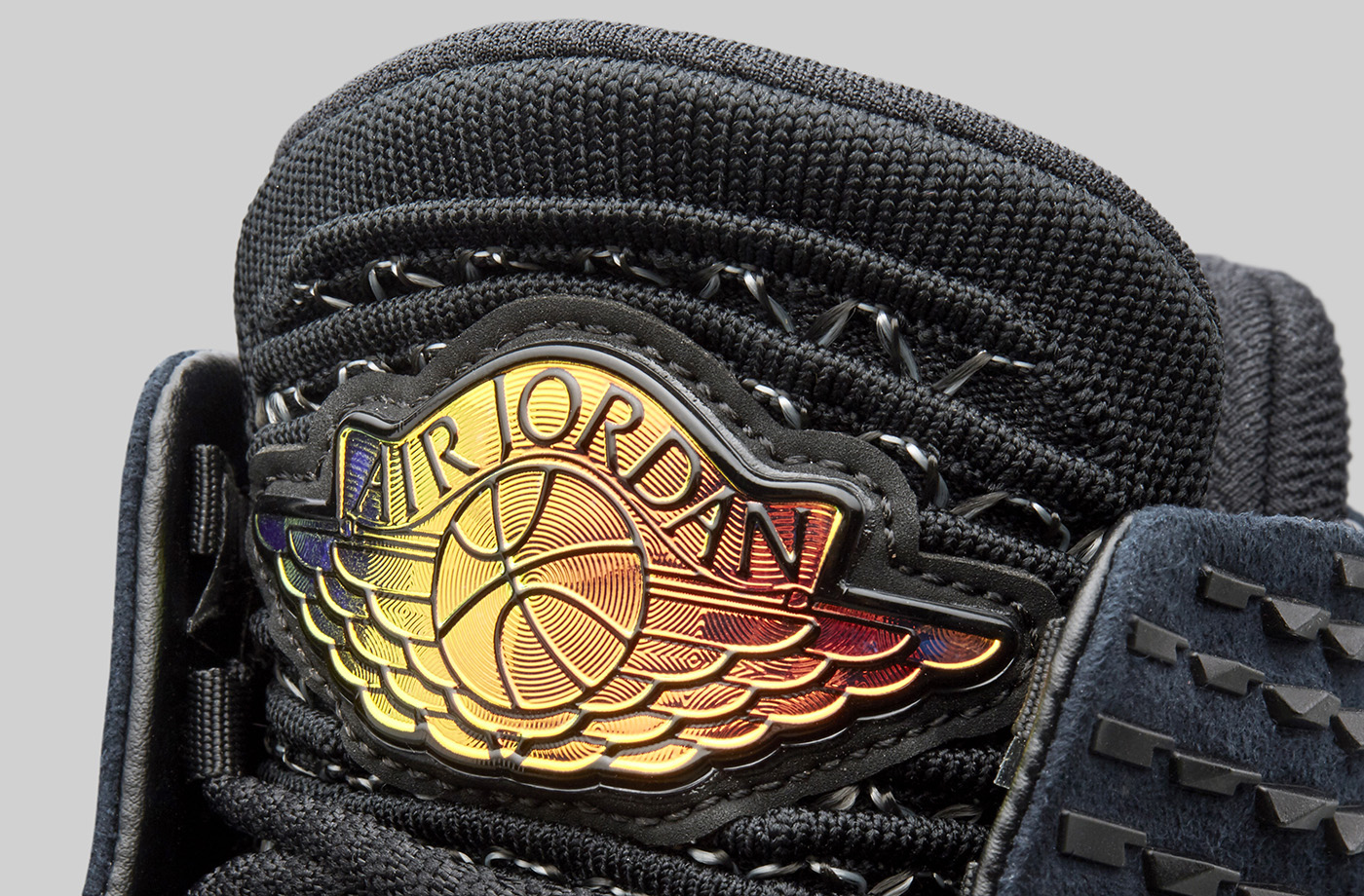
The Air Jordan Wings logo is another key authentication detail.
On authentic pairs, the Wings logo is deeply embossed with sharp definition. The letters are clean, readable, and evenly spaced. The basketball and wings details are crisp.
On fake Jordan 1s, the logo often looks shallow, blurry, or poorly stamped. Letters may appear thicker than they should, and fine details are usually lost.
Also check the placement. The Wings logo should sit cleanly on the ankle flap, not too high or too low.
Check the tongue tag and label
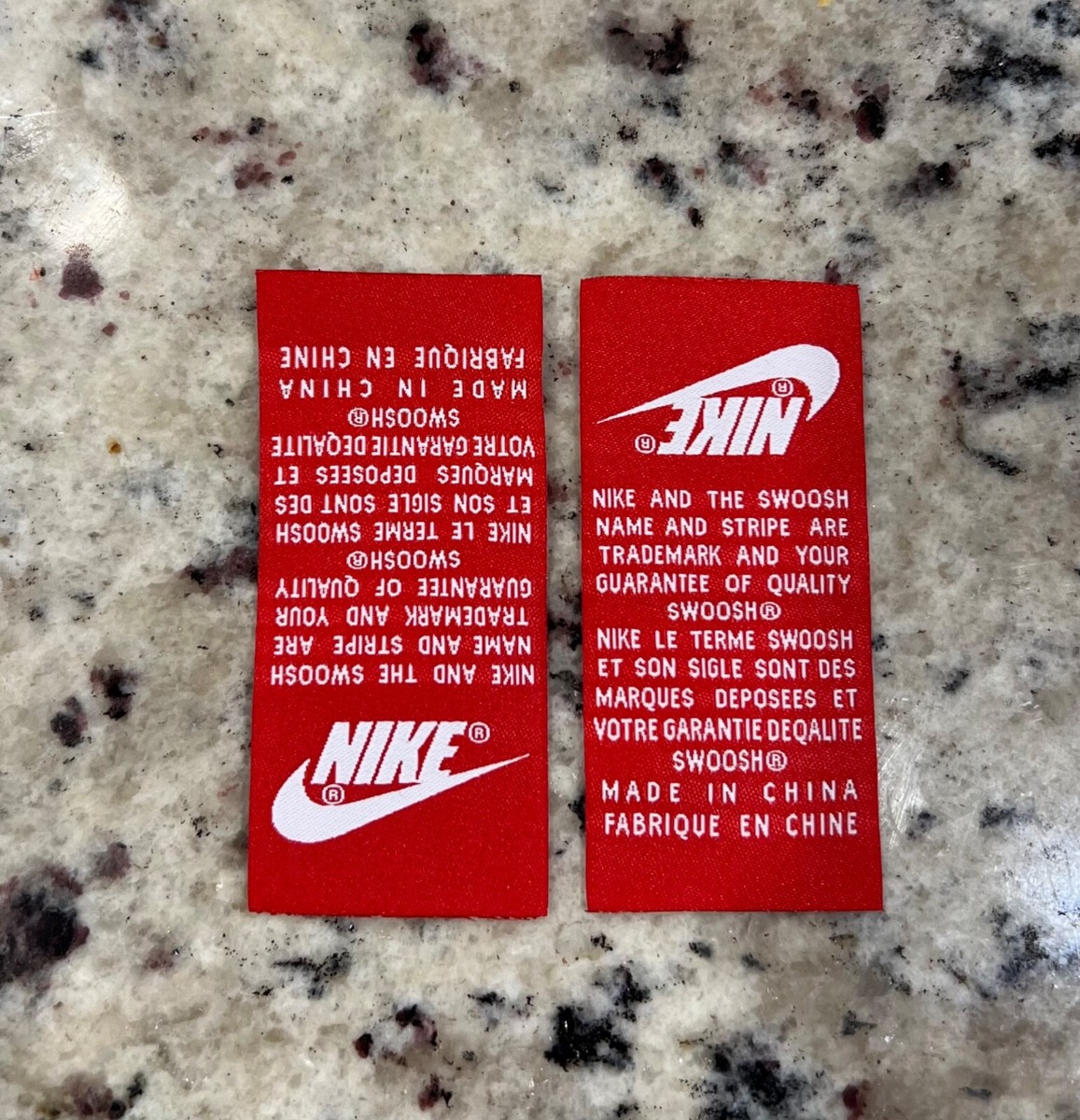
The tongue label provides valuable clues.
On real Jordan 1s:
The tag stitching is clean and straight
The text is sharp and correctly spaced
The Jumpman logo or Nike Air branding is well-defined
Fake pairs often show:
Messy stitching around the tag
Blurry or overly bold text
Incorrect font spacing
Flip the tongue and inspect the internal label. Authentic pairs include accurate size information, country codes, and production dates. While fakes may copy this, inconsistencies are common.
Inspect the insole and interior details
Remove the insole if possible.
Authentic Jordan 1 insoles:
Fit perfectly inside the shoe
Have clear branding
Feel firm but cushioned
Fake insoles may feel thin, poorly cut, or loosely fitted. Branding can appear faded or incorrectly printed.
Also check inside stitching and lining. Authentic pairs have clean interior construction, while fakes often show glue stains or sloppy finishing.
Examine the outsole and sole construction
The outsole on real Jordan 1s is solid, well-molded, and durable. The pattern is sharp and symmetrical.
Fake pairs may have:
Softer rubber
Poor traction patterns
Inconsistent molding details
Pressing the outsole lightly can reveal differences in material quality.
Compare the box and packaging
Packaging alone does not prove authenticity, but it helps.
Authentic Jordan 1 boxes:
Use high-quality cardboard
Have accurate label information
Match the colorway and size details exactly
Fake boxes may have incorrect fonts, mismatched size labels, or flimsy construction.
Be cautious, though. Some counterfeit sellers use real boxes from other pairs, so this should never be your only check.
Trust verified sellers and authentication processes
Even experienced buyers can be fooled by high-quality replicas. That is why buying from trusted platforms and verified sellers matters.
Reputable sneaker retailers and marketplaces use professional authentication processes that inspect every detail before shipping. This removes the guesswork and risk for buyers, especially when purchasing high-value or limited releases.
Final thoughts on spotting fake Jordan 1s
Spotting fake Jordan 1s is about attention to detail, not just one single check. Counterfeit pairs often look convincing at first glance but fail when examined closely.
Focus on shape, materials, stitching, branding, and overall build quality. If multiple details feel off, trust your instincts.
When in doubt, buying from trusted sources that guarantee authenticity is always the safest choice.
Tala Tareq
Content & Blog Writer
Share
Explore More


Don't miss out on the latest.
Sign up to get first access to our sales, new arrivals, exclusive events, industry news - and so much more.